TMJ Treatment
In Wilmington
At Omni Dental, we take a comprehensive approach to TMJ treatment in Wilmington, NC. By evaluating your symptoms, jaw function, muscle activity, and bite, we can better understand what may be contributing to your discomfort and create a personalized plan focused on improving comfort and function.

What is TMD?
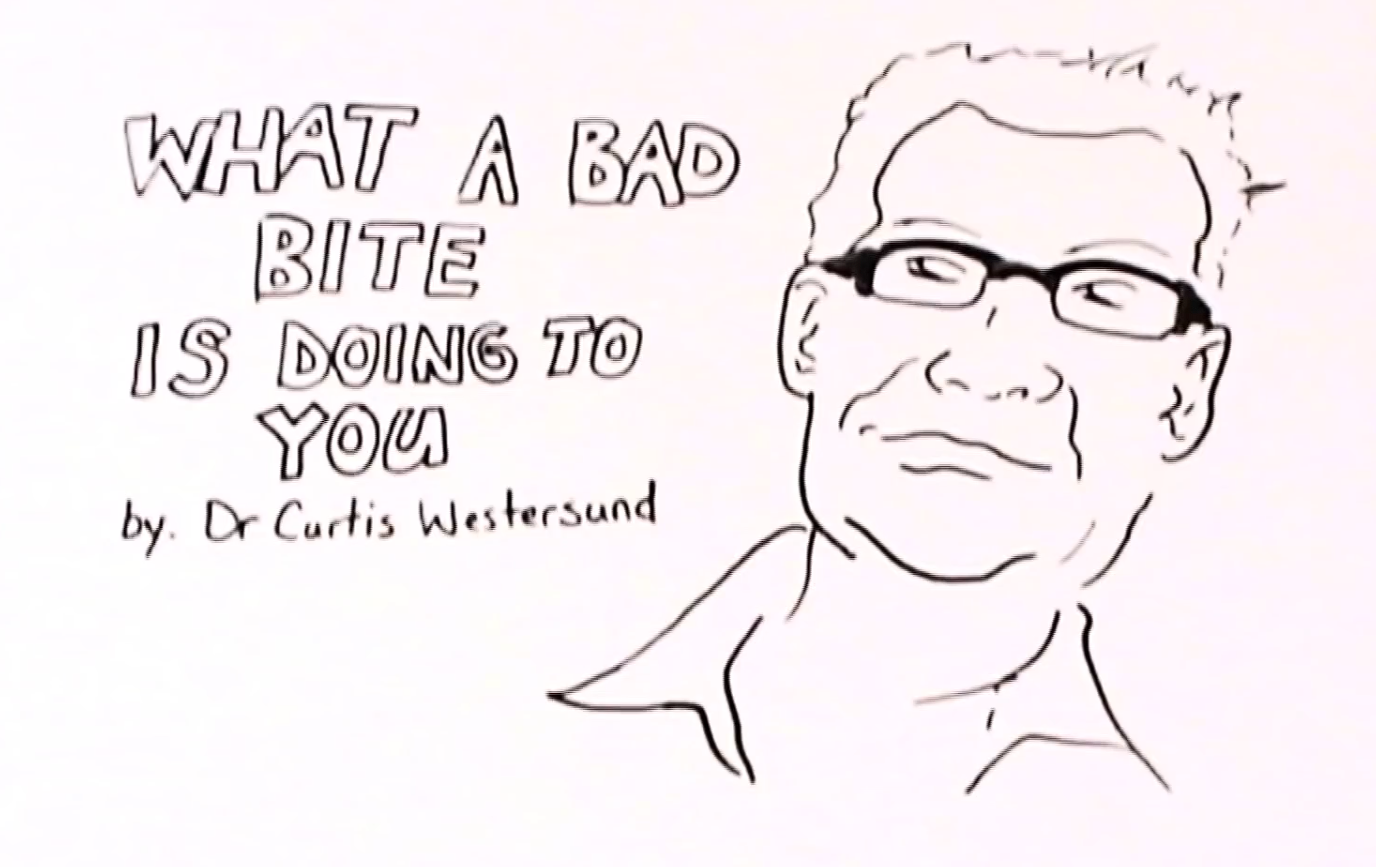
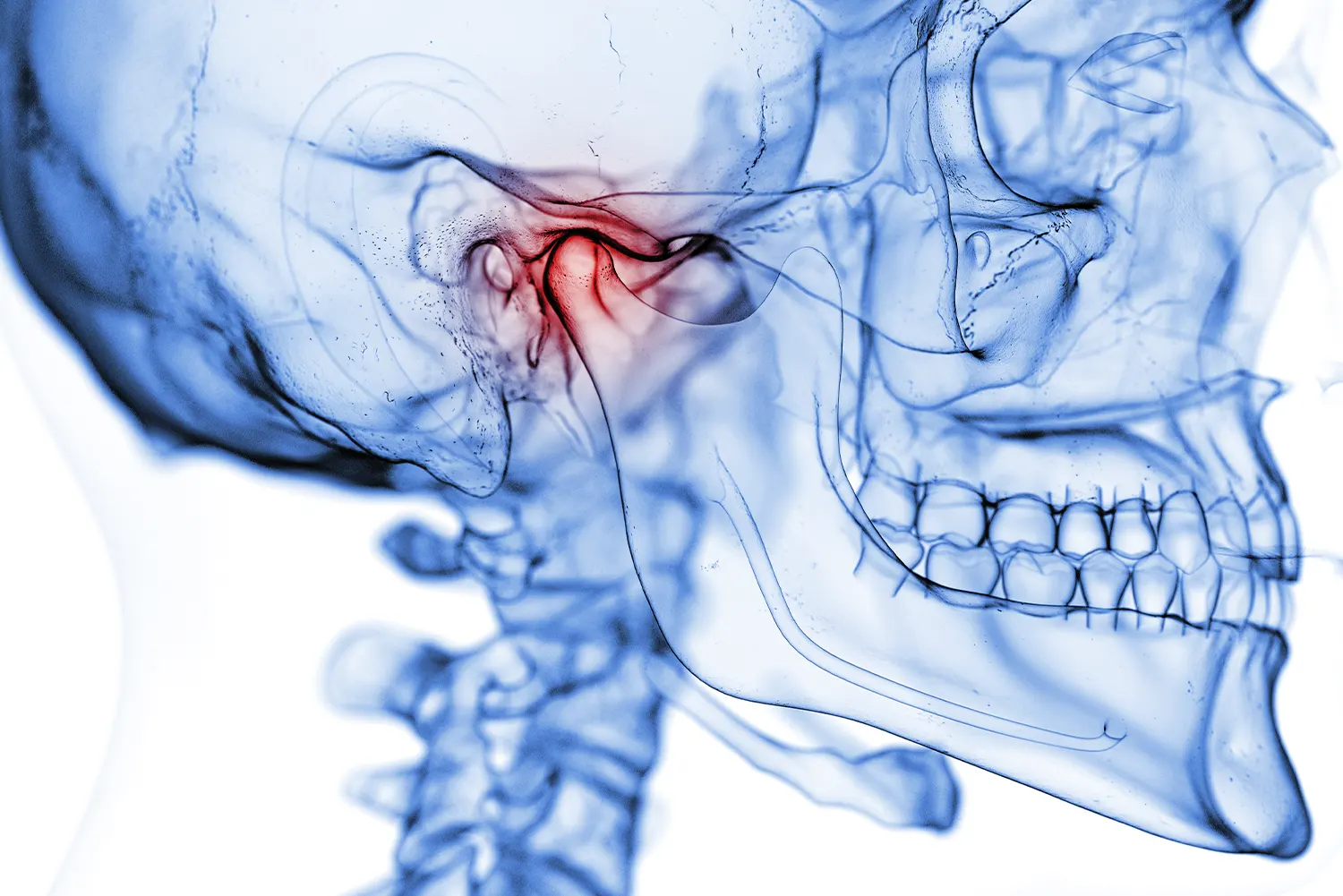
Temporomandibular joint disorder, often referred to as TMJ or TMD, occurs when the jaw joint and surrounding muscles are misaligned. This imbalance can trigger a domino effect of symptoms that affect your quality of life and overall well-being.
When your teeth do not fit together correctly, your jaw muscles must work overtime to compensate for the misalignment. This constant tension can lead to inflammation, nerve pressure, and structural wear that affects more than just your mouth. At our Wilmington, NC dental office, care is focused on identifying these imbalances and creating a personalized path toward pain relief and long-term comfort.
Did you know…
TMJ treatment can relieve jaw pain, headaches, and improve everyday comfort.
Advanced technology for a closer look at your bite
When evaluating TMJ concerns, small details can make a big difference. Omni Dental uses advanced technology to gather additional information about how your teeth, muscles, and jaw are functioning together.
T-Scan digital bite analysis
Your bite can feel balanced while still distributing pressure unevenly across your teeth. T-Scan digital bite analysis allows us to measure the timing and relative force of tooth contact as you bite down.
This information gives Dr. Kuzma another tool for evaluating how your teeth come together and identifying areas that may deserve closer attention during treatment planning.
TENS therapy
Transcutaneous electrical nerve stimulation, or TENS, uses gentle electrical impulses delivered through electrodes placed on the skin. For some patients, TENS may be used to encourage tense jaw muscles to relax and provide temporary relief from muscle discomfort.
It can also give our team additional information about how your jaw feels and functions when the surrounding muscles are more relaxed.
Managing jaw discomfort at home
If you are dealing with a minor flare-up, there are simple ways to manage the immediate discomfort until you can see a professional for a full evaluation. These home remedies are designed to soothe the muscles and provide temporary relief from acute soreness.
Many patients find that alternating between hot and cold compresses can help reduce inflammation and relax tense jaw muscles during a stressful week. While these methods are helpful for short-term comfort, they do not address the structural bite issues that are causing the pain in the first place. For those seeking help in Wilmington, we suggest using these tools as a bridge while you wait for a comprehensive evaluation of your neuromuscular dentistry needs.
Professional TMJ Orthotic Therapy in Wilmington
The goal of professional dental treatment is to move beyond temporary fixes and address the actual position of your jaw. We focus on providing solutions that allow your muscles to relax and your joints to function without constant interference or strain.
One of the most effective ways we achieve this is through custom orthotic therapy. An orthotic is a precision-crafted appliance you wear over your teeth to gently hold your jaw in its most natural, relaxed position. Unlike a simple store-bought nightguard, this therapy is tailored to your specific bite and designed to facilitate joint healing by reducing the stress caused by a bad bite.

The benefits of TMJ treatment
Understand what is behind your discomfort
Jaw pain is not one-size-fits-all. A comprehensive evaluation helps us better understand your symptoms, movement, muscle tension, and dental health so we can recommend care based on what we actually see.
Reduce strain on the jaw
When appropriate, conservative therapies such as a custom oral appliance may help reduce stress on the jaw joints and muscles, protect the teeth from clenching or grinding, and support more comfortable function.
Protect your teeth
Chronic clenching and grinding can gradually wear down enamel, damage restorations, and place additional stress on your teeth. Addressing these habits can help protect your smile while we work toward greater comfort.
What to expect from TMJ treatment
Comprehensive evaluation

Comprehensive evaluation
Your first visit starts with a conversation. We will talk about what you are feeling, when your symptoms began, what makes them better or worse, and how they are affecting your daily life.
Dr. Kuzma will also evaluate your teeth, jaw joints, facial muscles, range of motion, and bite. Additional diagnostic tools may be recommended depending on your symptoms.
Personalized treatment planning

Personalized treatment planning
Once we have a clearer understanding of your concerns, we will walk you through your options. Some patients may benefit from simple changes and conservative self-care, while others may be candidates for a custom orthotic or additional therapy.
There is no automatic treatment plan simply because your jaw clicks or feels sore. Our recommendations are based on your symptoms, examination, and individual needs.
Ongoing monitoring
Ongoing monitoring
TMJ treatment is not just about handing you an appliance and sending you home. If orthotic therapy is part of your plan, we will monitor your comfort, fit, jaw function, and symptoms over time.
Adjustments can be made as needed, and we will continue evaluating whether the treatment is helping you move toward greater comfort and more functional jaw movement.
FAQ's
Frequently Asked Questions
Check out these frequently asked questions, or call us to speak with our team.